The widespread use of automated packaging lines has made roll film a go-to material in flexible packaging. Things like snacks, seasonings, powders, and everyday chemical products mostly use roll film to handle continuous bag making, filling, and sealing. The multilayer structure of roll film is key in keeping out moisture, oxygen, and odors. Different layers work together to provide various protective effects. Yantai Dongsheng Packaging Products Co., Ltd. keeps adjusting the layer setup of their composite roll films to meet the storage and protection needs of different materials.
Single-layer films don’t offer much protection and can’t handle multiple needs like blocking oxygen, resisting moisture, and shielding from light. Multilayer composite roll films have layers with different purposes: the outer layer makes sure printing looks good and resists surface wear; the middle layer acts as a barrier; and the inner heat seal layer works with the equipment’s sealing process. All the layers together help reduce the effect of the outside environment on the contents. For stuff that easily oxidizes and loses flavor, they add a barrier layer to slow down oxygen and keep the aroma in; for powders that absorb moisture and clump, the design focuses on keeping moisture out.
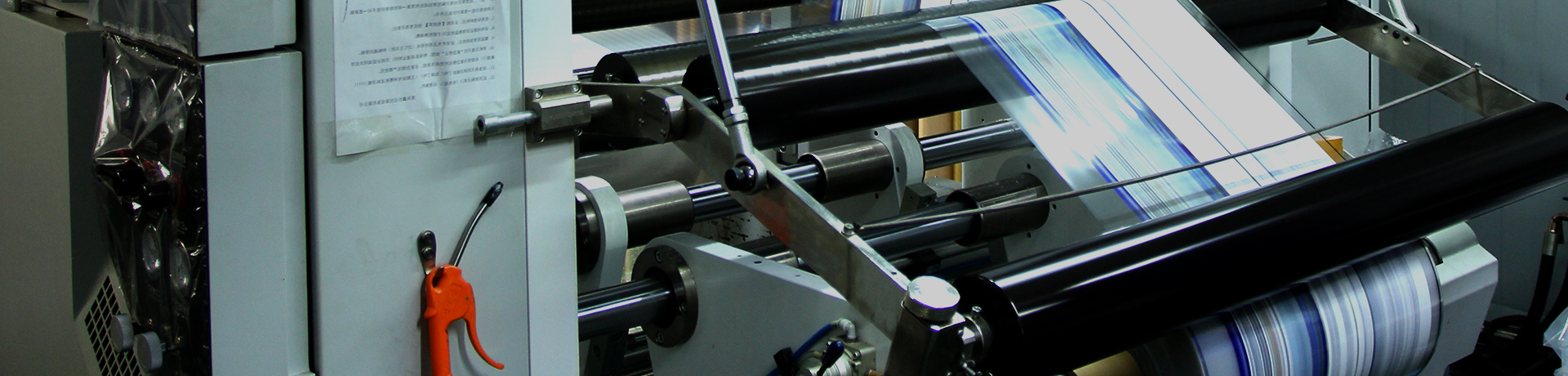
The stability of the lamination process has a direct impact on the quality of the finished roll film. If the layers don’t stick together well enough, it can lead to delamination and failure of the protective structure during high-speed packaging or when the film is bent and pulled. The production process covers everything from coating and lamination to curing, making sure the glue is applied evenly and the curing environment is controlled to prevent issues like local delamination or bubbles. During the sample stage, Yantai Dongsheng Packaging Products Co., Ltd. performs bending and kneading tests to check lamination strength and ensure that the layers stay intact after repeated pulls from the packaging machines.
Many materials also need protection from light because exposure speeds up oil oxidation and pigment breakdown. Roll films that are aluminized or have aluminum foil can block light and are good for baked goods, oils, tea powders, and similar products. Transparent roll films are designed to show off the product directly in stores. Choosing between these two types depends on how the customer wants to present their product. Freezer-type roll films also need to stay tough at low temperatures to prevent brittleness and ensure a proper seal.
When picking materials, brands aren’t just focused on how the print looks anymore; they also consider storage time, warehouse conditions, and temperature changes during transport. Roll film manufacturers need to offer the right material combinations based on these storage conditions. Looking ahead, more refined composite structures will continue to develop, aiming to balance protection and machine compatibility. Roll films will keep meeting the varied packaging needs of the food and everyday chemical industries, offering reliable protection throughout the product’s journey.
Keep up with our latest newsletter.